


Introduction
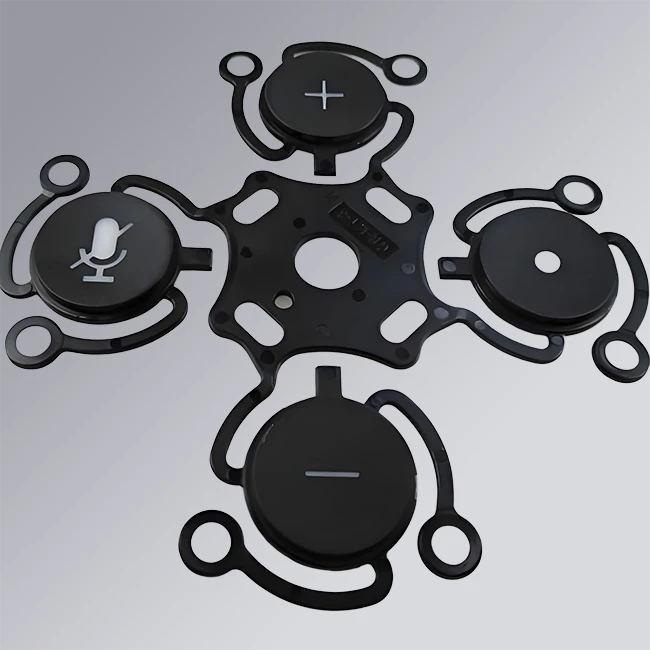
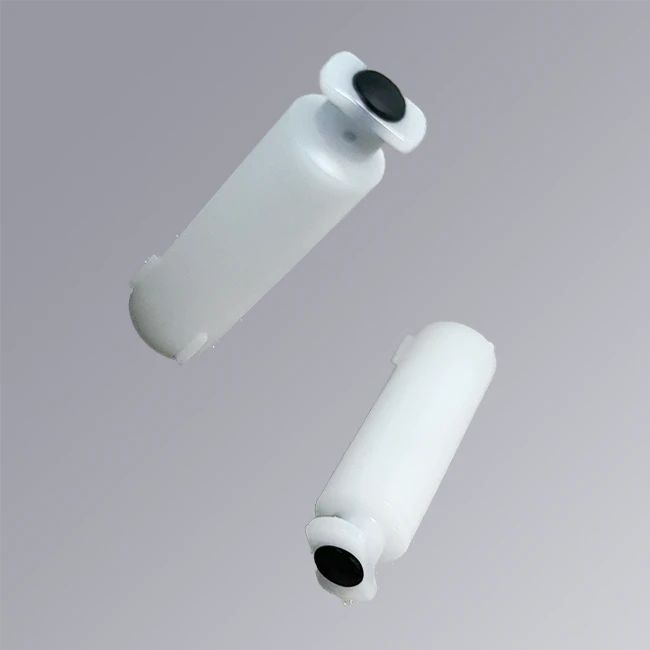
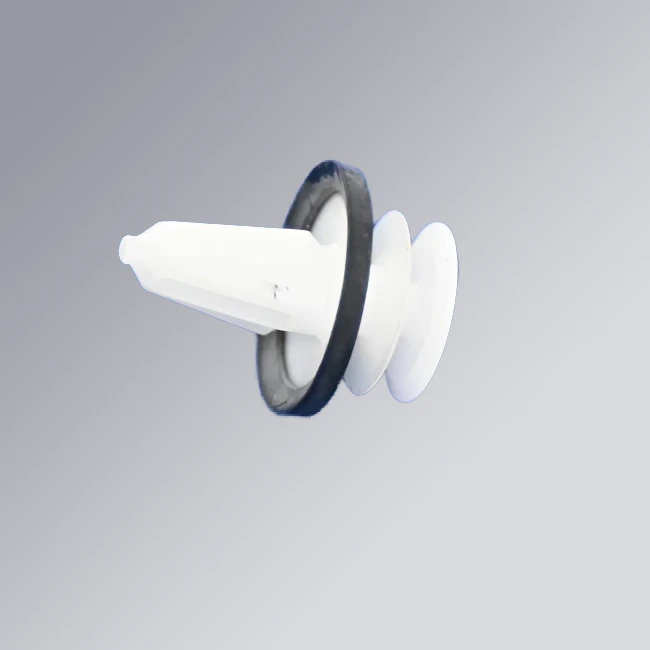
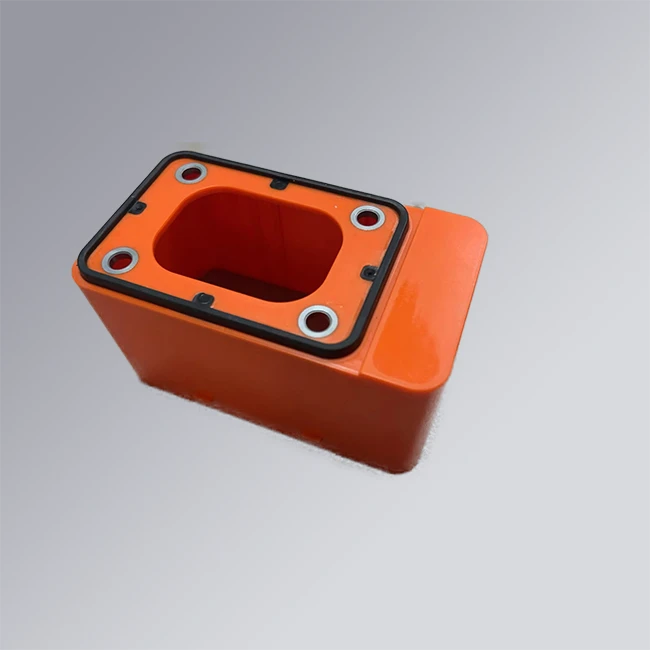
A 2K Mold refers to a type of mold used in 2K injection molding (also known as two-component injection molding). This process involves injecting two different materials (often of different colors or properties) into a single mold cavity in two separate steps.
Features
Excellent material compatibility
The 2K Mold support the compatibility of multiple materials, including different types of plastics (such as polypropylene, polyurethane, etc.) and the combination of heterogeneous materials such as plastics and metals. Through precise temperature control and injection process adjustment, the uniform distribution and bonding of materials can be ensured, thus avoiding the phenomenon of shedding or delamination between materials.
Improve production efficiency
Our products can complete the injection molding of two materials at the same time in one molding process, avoiding the tedious steps of secondary assembly after traditional injection molding. This design greatly improves production efficiency and shortens the production cycle.
Customized
Designing the Mold
Material Selection
Choose the two materials to be used in the molding process. These materials may differ in hardness, color, texture, or functionality (e.g., a soft elastomer combined with a hard plastic).
Part Geometry
Make sure the part is designed to accommodate both materials. Consider how the two materials will interact and whether delamination or overmolding is required.
Mold Design
The mold must have two different cavities or cores, each dedicated to one material. The design should ensure that the materials bond properly without defects.
Runner System
Design a suitable runner system for each material to be injected. The runners for each material must be separate but run simultaneously.
Material Compatibility
Bondability
The two materials used must bond well together. It is important to ensure that their chemical and physical properties are compatible so that they bond properly without delamination.
Temperature Requirements
Different materials may require different injection temperatures. Make sure the machine can handle the different temperature requirements or manage them with precise controls.
Mold Construction
Core and Cavity Design
We create separate cores for each material, but they must fit together so that the materials transfer properly between each other. The mold should be able to inject the first material and then the second material in the same cavity.
Rotary Molds (for 2K Processes)
Many 2K molds use a rotary core system where the mold rotates between two injection stations. The first station injects the first material, and after the mold rotates, the second material is injected over or around the first material.
Cooling System
Make sure the cooling system is optimized for both materials. Different materials may require different cooling times, and the cooling system must be designed to handle this.
Molding Process
Injection Cycle
The process starts with injecting the first material into the cavity. After that, the mold rotates or uses a different injection point to inject the second material.
Overmolding/Coinjection
In some 2K molds, the second material is overmolded over the first material. In other cases, coinjection allows the materials to be injected simultaneously, but into different cavities before joining them together.
Curing and Cooling
After both materials are injected, they need to be properly cured before the mold is opened and the part is ejected. The cooling process must ensure that both materials are cured but not over-cured, which can cause shrinkage or warping.
Testing and Prototyping
Prototyping
Before full production, a prototype of the 2K mold must be created to test the functionality, material bonding, and mechanical properties of the part.
Test Runs
Test runs are performed to ensure that the mold produces the desired results. Note any defects such as material delamination, poor bonding, or uneven part geometry.
Adjust Mold Parameters
Based on the testing, fine-tune mold parameters such as injection speed, pressure, temperature, and cooling time.
FAQ
Q: What materials can be used in 2K molding?
A: Common materials used in 2K molding include thermoplastics like ABS, polycarbonate, and polypropylene, elastomers such as rubber or silicone for flexibility, and engineering plastics for high-strength applications, with material choice depending on the final product's intended properties.
Q: How does the 2K molding process work?
A: In 2K molding, the process involves injecting the first material into a mold, partially curing it, and then injecting the second material into the same mold. The two materials bond together to create a single product with different material properties, all without needing secondary assembly.
Q: Which industries benefit from 2K molding?
A: 2K molding is commonly used in industries like automotive for dashboard components, consumer electronics for mobile cases, medical devices for ergonomic grips, and household products where multi-material components are essential for functionality and appearance.
Q: What are some challenges associated with 2K molding?
A: Challenges include the complexity of controlling the molding process to ensure proper bonding between materials, higher tooling costs due to specialized molds, and the need for compatible materials to ensure a strong and durable bond between the two components.
Q: How long does it take to develop a 2K mold?
A: The development time for a 2K mold can range from several weeks to a few months, depending on the complexity of the design and materials. Testing and fine-tuning may also add additional time to ensure the mold produces high-quality parts consistently.
Q: Is 2K molding suitable for high-volume production?
A: Yes, 2K molding is ideal for high-volume production because it can produce large quantities of multi-material parts with high precision and efficiency, eliminating the need for additional assembly steps, making it cost-effective for mass production.
Q: How does 2K molding differ from traditional single-material molding?
A: Unlike traditional molding, which uses a single material in one mold, 2K molding allows for the combination of two different materials in one mold, providing additional functionality and aesthetic options in the final product. However, it requires more complex equipment and higher initial costs.
Hot Tags: 2k mold, China 2k mold manufacturers, suppliers, factory, tool structure for sports equipment industry, tool structure for packaging industry, tool structure for logistics industry


