

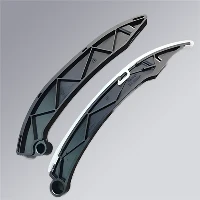
If you've ever stopped to watch a bicycle chain glide smoothly through the gears mid-ride, or seen a heavy-duty conveyor line operate without a single derailment, you've benefited from a small, unassuming part that keeps everything on track: the chain guider. As an OEM chain guider supplier, I get asked a lot of questions about these components-most of them related to durability, material quality, and, surprisingly, weight. "What is the weight of Chain Guider OEM products?" is one of the most common queries we field, and for good reason. Weight directly impacts performance, fuel efficiency (in industrial and automotive applications), load capacity, and even end-user satisfaction. Unlike off-the-shelf generic parts, OEM chain guiders are engineered to exact specifications, so their weight isn't arbitrary-it's calculated for the specific application they're built for.
First, let's set the record straight: there is no single "one-size-fits-all" weight for chain guiders. That's because these parts are designed for wildly different use cases. A tiny chain guider for a consumer bicycle, for example, is made to be lightweight and low-friction, while a heavy-duty chain guider for a mining conveyor or a large agricultural tractor needs to be thick, robust, and strong enough to handle extreme torque and heavy loads. To understand the weight range, we have to break down the key factors that influence it: application type, material composition, size, and design features. And before we dive into numbers, it's important to clarify what a chain guider actually does (for anyone new to the space): it's a static or dynamic component that guides, tensions, and stabilizes a roller chain, preventing it from derailing, absorbing shock, and reducing noise during operation. For more details on how they're designed for different tool applications, you can check out our official Chain Guider page here: Chain Guider.
Let's start with the lightest end of the spectrum: small, low-load applications. This includes consumer bicycles, small power tools like chainsaws or lawn edgers, and light-duty home appliances. For these uses, the priority is weight reduction to boost user comfort, improve maneuverability, and minimize the load on the power source (a small electric motor or a bicycle's crankset). Most of these chain guiders are made from high-performance engineering plastics-like nylon, acetal, or glass-reinforced polypropylene. These materials are lightweight, corrosion-resistant, and have self-lubricating properties that reduce friction. A typical chain guider for a standard adult bicycle (7 to 8 speed) weighs between 15 and 30 grams, depending on whether it's a top guide, bottom guide, or a full-length chain keeper. For smaller power tool applications, like a handheld chainsaw's chain guide pad, the weight drops even lower, ranging from 8 to 18 grams. These parts are precision-molded, with thin walls and minimal structural bulk, since they don't need to bear heavy loads. Even with plastic, there's a balance: we never cut corners on material strength to save weight, because a broken chain guider mid-ride or mid-trim can be a safety hazard.
Moving up to mid-load applications: these include automotive timing chains, medium-sized industrial conveyors, and light agricultural equipment like small tractors or hay balers. For these uses, chain guiders need to be a bit sturdier than their small-tool counterparts, so we often use a hybrid of materials: a lightweight plastic base with a steel insert for tension or a cast aluminum body. The plastic core still keeps weight low, but the metal add-ons boost tensile strength and heat resistance, which is critical for automotive timing chains that can run at temperatures up to 120°C during operation. For automotive timing chain guides, for example, the weight ranges from 40 to 120 grams, depending on whether it's a tensioner-integrated guide, a side guide, or a rail guide. Medium-duty industrial conveyors, which are used for things like sorting packages in warehouses, use slightly larger chain guiders that weigh between 100 and 250 grams. These often have a thicker plastic backing or a thin steel wear plate on the contact surface to extend lifespan, adding a small amount of weight without sacrificing performance. The goal here is to balance durability and weight: a conveyor chain guider that's too light will wear out quickly under constant friction, but a too-heavy one increases the overall load on the conveyor's motor, leading to higher energy costs over time.
Now, the heavy end of the spectrum: high-load, high-torque applications. This includes mining conveyors, construction equipment (like excavators and bulldozers), large agricultural tractors, and heavy industrial machinery like cranes or material handling systems. For these use cases, weight isn't a trade-off-it's a necessity. A chain guider on a mining conveyor, for example, has to handle thousands of kilograms of bulk material moving at high speeds, with the chain pulling heavy loads and generating massive torque. These guiders are almost exclusively made from cast steel, forged steel, or high-strength ductile iron, and they're much thicker and bulkier than their lighter counterparts. A typical heavy-duty chain guider for a mining conveyor can weigh between 5 and 15 kilograms, with some custom-built units for ultra-heavy applications hitting up to 20 kilograms. For construction equipment, like an excavator's track chain guider, the weight ranges from 3 to 8 kilograms, since they have to withstand constant impact from uneven terrain and heavy digging loads. Here, material quality is non-negotiable: we use heat-treated steel for these parts to resist cracking and wear, and the design includes reinforced edges and shock-absorbing features that add weight but ensure the guider lasts for tens of thousands of operating hours.
It's important to note that these weight ranges are general guidelines-every OEM chain guider is custom-engineered to the client's exact specifications, so there are exceptions. For example, a custom chain guider for a specialty racing bicycle (made for competitive cycling) might weigh even less than the standard bicycle range, using carbon fiber reinforced polymer (CFRP) instead of plastic, cutting weight to as low as 10 grams. On the flip side, a highly specialized chain guider for a nuclear power plant's auxiliary machinery might be heavier than the standard heavy-duty range, adding extra layers of corrosion-resistant material to withstand harsh operating environments, pushing weight up to 18 or 20 kilograms. The key point is that weight is a performance parameter, not a random measurement-when we design an OEM chain guider, we work closely with our clients to define their priorities: is the main goal low weight for portability, high load capacity for industrial use, or long lifespan for a high-cycle application? Each priority adjusts the material and design, which in turn adjusts the final weight.
Another factor that often confuses clients is the difference between OEM chain guiders and aftermarket generic chain guiders, and how that impacts weight. Aftermarket parts are often made from lower-quality, thinner materials to cut costs, so a generic chain guider that looks identical to an OEM unit might weigh 20-30% less. But that low weight comes at a cost: thinner plastic will wear out in a fraction of the time, and thinner steel can crack or break under load, leading to downtime and safety risks. For example, an OEM automotive timing chain guide that weighs 80 grams might have a service life of 150,000 kilometers, while a generic aftermarket guide of the same appearance that weighs 60 grams might only last 30,000 kilometers. When you're calculating total cost of ownership, the slight difference in upfront weight often translates to higher long-term costs from replacements and repairs. That's one of the reasons so many businesses partner with OEM suppliers for chain guiders, rather than opting for cheaper generic parts.
As a chain guider OEM supplier, we also work with clients to optimize weight without sacrificing performance if that's a priority. For example, if a client is upgrading a conveyor system to be more energy-efficient, we can design a chain guider that uses a lighter-grade high-strength steel, or a thin ceramic wear coating instead of a thick steel wear plate, reducing overall weight by 10-15% while maintaining the same load capacity and lifespan. Or for a bicycle manufacturer looking to reduce the total weight of their frameset, we can use a lightweight glass-reinforced nylon for the chain guider, paired with a precision-machined aluminum insert for tension, cutting weight without compromising the part's ability to prevent chain derailment during hard pedaling. These custom adjustments are what set OEM parts apart-we don't use a one-size-fits-all approach, so we can tailor weight to meet specific application needs.

If you're a procurement manager, engineer, or end-user looking for a chain guider for your specific application, the first step is to share your requirements with a reputable OEM supplier. To give you an idea of the details we consider for every quote, let's outline the key questions that determine chain guider weight: what type of chain are you using (roller chain, silent chain, timing chain)? What is the maximum load the chain guider will need to bear? What is the operating environment (temperature, humidity, exposure to dust or chemicals)? What is your priority for the part: low weight, long lifespan, high load capacity, or a balance of all three? Answering these questions will help us provide a precise weight estimate, along with a quote for custom OEM chain guiders that fit your exact needs.
If you're ready to discuss your chain guider needs, our team is here to help. We work with clients across industries, from small bicycle manufacturers to large mining companies, providing custom engineered, high-quality chain guiders designed for reliability and performance. We prioritize transparency with every client, so you'll get clear information on weight, material, and service life for every part we supply. Whether you're upgrading an existing system or designing a new piece of machinery, we can help you find the right chain guider at the right weight for your needs.