


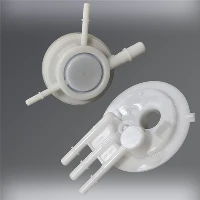
When dealing with the business of a Fuel System OEM (Original Equipment Manufacturer) supplier, understanding the performance indicators is crucial for both internal operations and customer satisfaction. These indicators not only reflect the quality and efficiency of our products but also help us stand out in the highly competitive market. As a Fuel System OEM supplier, I'd like to share some key performance indicators that we focus on.
Product Quality Indicators
Component Durability
One of the most important aspects of a fuel system is the durability of its components. Fuel systems are constantly exposed to harsh conditions, including high - pressure fuel, varying temperatures, and corrosive substances. We use high - quality materials and advanced manufacturing processes to ensure the long - term durability of our components. For example, our fuel injectors are made of corrosion - resistant alloys and undergo rigorous heat - treatment processes. We measure component durability through accelerated life tests. These tests simulate years of real - world use in a relatively short period. By setting a target number of operating cycles for each component, we can determine if it meets the required durability standards. If a fuel pump is designed to operate for 1 million cycles without failure in our tests, and it consistently achieves or exceeds this number, it indicates high - quality durability.

Fuel Delivery Precision
Fuel delivery precision is another critical quality indicator. In modern engines, precise fuel delivery is essential for optimal combustion, fuel efficiency, and low emissions. Our fuel systems are engineered to deliver the exact amount of fuel at the right time. We use advanced sensors and control algorithms to achieve this precision. The deviation from the target fuel delivery amount is measured. For instance, if the engine requires 50 milligrams of fuel per injection cycle, our fuel system should deliver within a very narrow tolerance, say ± 1 milligram. A low deviation rate demonstrates high - precision fuel delivery, which directly impacts the engine's performance and environmental friendliness.
Leakage Rate
The leakage rate of a fuel system is a clear sign of its quality and safety. Even a small fuel leak can lead to significant safety hazards, such as fire risks, and also cause fuel waste and environmental pollution. We conduct strict leakage tests on all our fuel system components, including fuel lines, connectors, and tanks. The leakage rate is measured in terms of volume per unit time. For example, our target for a fuel line joint might be a leakage rate of less than 0.1 milliliters per hour under normal operating pressure. A low leakage rate not only ensures the safety of the vehicle or equipment using our fuel system but also reflects our strict quality control standards.
Performance and Efficiency Indicators
Fuel Efficiency Improvement
As a Fuel System OEM Fuel - System, we are committed to helping our customers improve their fuel efficiency. We do this by optimizing the design of our fuel systems to ensure that the fuel is used more effectively. We measure the impact of our fuel systems on fuel efficiency by comparing the fuel consumption of engines before and after the installation of our products. For example, in some cases, our fuel systems can reduce fuel consumption by up to 15% compared to traditional systems. This improvement not only saves costs for the end - users but also reduces the environmental impact by lowering carbon emissions.
Power Output Enhancement
Another important performance indicator is the enhancement of power output. A well - designed fuel system can deliver more fuel to the engine in a more efficient manner, resulting in increased power. We test the power output of engines equipped with our fuel systems on dynamometers. By measuring the torque and horsepower at different engine speeds, we can determine the improvement in power output. For instance, some of our high - performance fuel systems can increase the engine's power output by 10 - 15%, which is highly valuable for applications where high power is required, such as in heavy - duty trucks or high - performance racing cars.
Response Time
The response time of a fuel system refers to how quickly it can adjust the fuel delivery according to the engine's changing requirements. In real - world driving or operating conditions, the engine's load and speed can change rapidly. A fast - responding fuel system can ensure smooth acceleration, deceleration, and overall stable engine operation. We measure the response time by monitoring the time it takes for the fuel system to adjust the fuel flow rate when the engine's throttle position changes. A shorter response time, typically within a few milliseconds, indicates a more responsive and high - performance fuel system.
Manufacturing and Supply - Chain Indicators
Production Yield
Production yield is a key indicator in our manufacturing process. It measures the percentage of products that meet our quality standards out of the total number of products produced. A high production yield means that we are making efficient use of our resources and reducing waste. For example, if we produce 1000 fuel injectors in a batch and 950 of them meet our quality criteria, the production yield is 95%. We continuously work on improving our manufacturing processes, such as reducing human errors, optimizing machine settings, and improving quality control inspections, to increase the production yield.
On - Time Delivery
On - time delivery is crucial in the supply - chain management of a Fuel System OEM. Our customers rely on us to deliver their orders on time to keep their production lines running smoothly. We measure on - time delivery by comparing the actual delivery date with the promised delivery date. A high on - time delivery rate, say 98% or above, shows that we have a reliable supply - chain and logistics system. We achieve this by closely coordinating with our suppliers, having a well - planned production schedule, and using efficient transportation methods.
Inventory Turnover
Inventory turnover is an important financial and operational indicator. It measures how quickly we sell and replace our inventory. A high inventory turnover ratio indicates that we are efficiently managing our inventory, reducing the holding costs, and minimizing the risk of obsolete inventory. We calculate the inventory turnover ratio by dividing the cost of goods sold by the average inventory value. For example, if our annual cost of goods sold is $10 million and the average inventory value is $2 million, the inventory turnover ratio is 5 times per year. By optimizing our inventory management, such as using just - in - time inventory systems and accurate demand forecasting, we can improve the inventory turnover ratio.
Customer - Related Indicators
Customer Satisfaction
Customer satisfaction is at the heart of our business. We regularly conduct customer surveys to measure how satisfied our customers are with our products and services. The survey covers aspects such as product performance, quality, after - sales service, and delivery time. We use a rating scale from 1 - 10, where 10 represents extremely satisfied. Our goal is to maintain a customer satisfaction rate of at least 90%. By analyzing the feedback from customers, we can identify areas for improvement and make necessary adjustments to our products and services.
Customer Retention Rate
Customer retention rate measures the percentage of customers who continue to do business with us over a certain period. A high customer retention rate indicates that our customers are satisfied with our products and services and are likely to recommend us to others. We calculate the customer retention rate by dividing the number of customers at the end of a period minus the number of new customers acquired during that period by the number of customers at the beginning of the period. For example, if we start with 100 customers, acquire 20 new customers, and end up with 90 customers, the customer retention rate is (90 - 20) / 100 = 70%. We strive to increase this rate by providing high - quality products, excellent customer service, and building long - term relationships with our customers.
Warranty Claim Rate
The warranty claim rate is an important indicator of product quality and customer confidence. A high warranty claim rate may suggest that there are quality issues with our products or that our customers are not satisfied. We measure the warranty claim rate by dividing the number of warranty claims received in a given period by the number of products sold during the same period. A low warranty claim rate, typically less than 1%, indicates that our products are of high quality and reliable.
In conclusion, as a Fuel System OEM supplier, these performance indicators play a vital role in our business. By continuously monitoring and improving these indicators, we can ensure the quality of our products, enhance our operational efficiency, and build strong relationships with our customers. If you are interested in our fuel systems and would like to discuss procurement, we welcome you to reach out for further discussions. You can contact our sales team to start the conversation and explore how our fuel systems can meet your specific needs.